Green Revolution
At the time of its independence, India was an agricultural dependent economy. And yet the state of Indian agricultural sector was dismal. From the lack of investment, a dearth of technology, low yield per acre and many such problems plagued the industry. And so the Indian government took steps to bring about the Green Revolution using HYV seeds. Let us see how.
Green Revolution
The Green Revolution started in 1965 with the first introduction of High Yielding Variety (HYV) seeds in Indian agriculture. This was coupled with better and efficient irrigation and the correct use of fertilizers to boost the crop. The end result of the Green Revolution was to make India self-sufficient when it came to food grains.
After 1947 India had to rebuild its economy. Over three-quarters of the population depended on agriculture in some way. But agriculture in India was faced with several problems. Firstly, the productivity of grains was very low. And India was still monsoon dependent because of lack of irrigation and other infrastructure.
There was also an absence of modern technology. And India had previously faced severe famines during the British Raj, who had only promoted cash crops instead of food crops. The idea was to never depend on any other country for food sufficiency.
So in 1965, the government with the help of Indian geneticists M.S. Swaminathan, known as the father of Green Revolution, launched the Green Revolution. The movement lasted from 1967 to 1978 and was a great success.
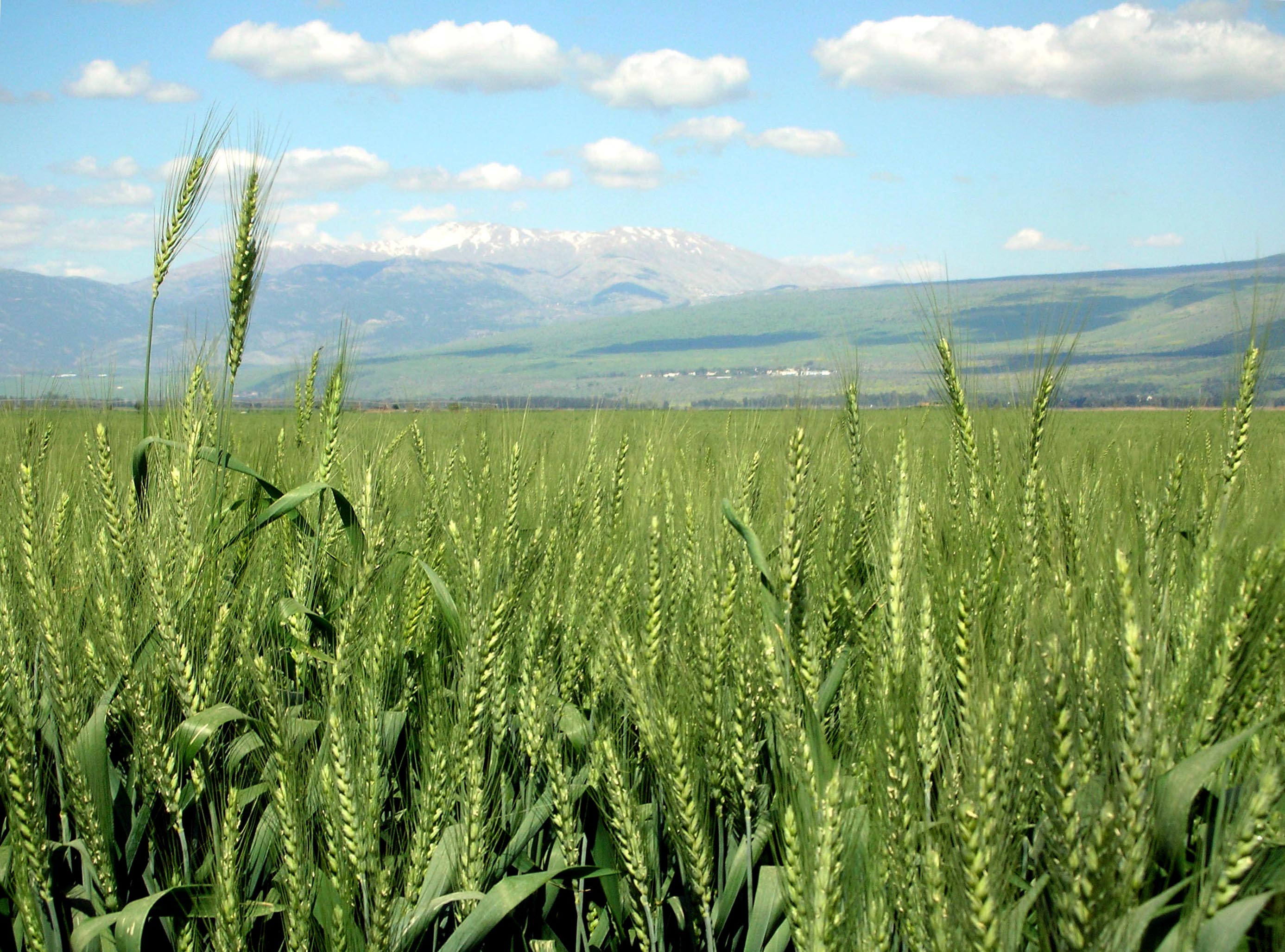
Features of the Green Revolution
- The introduction of the HYV seeds for the first time in Indian agriculture. These seeds had more success with the wheat crop and were highly effective in regions that had proper irrigation. So the first stage of the Green Revolution was focused on states with better infra – like Punjab and Tamil Nadu.
- During the second phase, the HYV seeds were given to several other states. And other crops than wheat were also included into the plan
- One basic requirement for the HYV seeds is proper irrigation. Crops from HYV seeds need alternating amounts of water supply during its growth. So the farms cannot depend on monsoons. The Green Revolution vastly improved the inland irrigation systems around farms in India.
- The emphasis of the plan was mostly on food grains such as wheat and rice. Cash crops and commercial crops like cotton, jute, oilseeds etc were not a part of the plan
- Increased availability and use of fertilizers to enhance the productivity of the farms
- Use of pesticides and weedicides to reduce any loss or damage to the crops
- And finally the introduction of technology and machinery like tractors, harvesters, drills etc. This helped immensely to promote commercial farming in the country.
Market Surplus
The Green Revolution by and far was a success. But now there was another aspect to it. The government had to ensure that the benefit of the higher productivity was passed on to the general public. If the farmers kept the grains for themselves then the benefit of the higher productivity would be lost.
But thankfully this did not happen. Due to the high yield and productivity of the farms, the farmers started selling their produce in the markets. The portion of the produce which is sold by them is known as market surplus.
And so the higher output caused due to the Green Revolution started benefiting the economy. There was a decline in the prices of grains and such food products. The common man was able to easily afford to buy them. The government was even able to stock grains and build a food bank in case of future food shortages.
Impact of the Green Revolution
- Increase in Agricultural Production: Foodgrains in India saw a great rise in output. It was a remarkable increase. The biggest beneficiary of the plan was the Wheat Grain. The production of wheat increased to 55 million tonnes in 1990 from just 11 million tonnes in 1960.
- Increase in per Acre Yield: Not only did the Green Revolution increase the total agricultural output, it also increased the per hectare yield. In case of wheat, the per hectare yield increased from 850 kg/hectare to an incredible 2281 kg/hectare by 1990.
- Less Dependence on Imports: After the green revolution, India was finally on its way to self-sufficiency. There was now enough production for the population and to build a stock in case of emergencies. We did not need to import grains or depend on other countries for our food supply. In fact, India was able to start exporting its agricultural produce....
- Thanks for taking the time to read our article. We hope you've enjoyed it. If you'd like to be notified when we release articles, sign up for our email notifications or follow us on Facebook or Twitter.
- Employment: It was feared that commercial farming would leave a lot of the labour force jobless. But on the other hand, we saw a rise in rural employment. This is because the supporting industries created employment opportunities. Irrigation, transportation, food processing, marketing all created new jobs for the workforce.
- A Benefit to the Farmers: The Green Revolution majorly benefited the farmers. Their income saw a significant raise. Not only were they surviving, they were prospering. It enabled them to shift to commercial farming from only sustenance farming....Thanks for taking the time to read our article. We hope you've enjoyed it. If you'd like to be notified when we release articles, sign up for our email notifications or follow us on Facebook or Twitter.
Comments
Post a Comment